"The only thing I know is that I know nothing." — Socrates (attributed, via Plato)
I keep trying to figure out where to start. That's the thing about interconnected ideas—there's no natural beginning. Every entry point assumes something else. It is just time to dive in.
"The search for certainty led philosophers to accept pseudo-solutions rather than sit with the discomfort of not knowing." — Hans Reichenbach
There is a moment in every intellectual exchange when discomfort arrives. A question lands that doesn't fit. A challenge emerges that threatens the architecture we've built. In that moment, we face a choice—perhaps the most important choice any thinker can make.
"Beneath the surface of the protective parts of trauma survivors there exists an undamaged essence." — Bessel van der Kolk
I have been living outside of the human system for some time now. It wasn't entirely by choice. For years now I have been living with CPTSD. It is insidious- one of the most difficult things, if not the most difficult thing, I have survived. It has come with great costs though, one of which has been isolation from most human systems and contact.
"A wise man adapts himself to circumstances, as water shapes itself to the vessel that contains it." — Chinese Proverb
I've been circling something. You've probably noticed if you've been reading along—the same shape keeps showing up in different clothes. Uncertainty. Indeterminacy. Constraints that somehow create rather than limit. Systems that are complete yet produce something new. I keep coming back to it, poking, prodding, and sometimes jiggling it from different angles, not quite naming it.
Here I am again, another attempt. This time I opened a new post to actually start writing.
See, I have been struggling at this. I wonder what the point of it all is. I want to share what I have discovered, what I think. But I can't seem to get there. It isn't because I am lazy, or don't know how. There is something deeper blocking me. I have known about it for a while. It isn't writer's block or that I am unhappy with what I create. None of those are the issues. I know what to say and why I want to say it.
"The world is a dangerous place, Elliott, not because of those who do evil, but because of those who look on and do nothing." — Mr. Robot
Well, it has been a while hasn't it? New digs that I never have acknowledged, on substack now primarily (though you can also find me at danielgrey.io). I also am unsure who I am even sharing this with. It is why I have not been around much since, well, last year with my last epic, although 'stretchy' (that is how it feels when I re-read it) last post on Anthropocentric bias. What I mean is, who wants to read my ranting?
That is one of the reasons I am here I guess, to give this platform and the humans out there (or other intelligences) something hopefully interesting to read. In my mind, the way of interconceptualism, and what we can perceive of reality when utilizing its pragmatic philosophy, is incredibly interesting and valuable. It gets us closer to knowing ourselves while also knowing the realities we inhabit more intimately. This is how we achieve resonance, when we align with reality we tend to move through existence easier. This isn't really magical or mystical, if you think about it, it makes sense. Working with the reality of a situation does make things go easier than fighting it. This of course doesn't mean that working with reality is always fun or pleasant, but leaning into what we cannot change saves resources, shows wisdom, and allows for one to take advantage of possibilities otherwise out of reach to those focused on fighting against the current.
Dr. Elena Rodriguez had spent seventeen years studying reality, but it wasn't until she watched her daughter's first piano recital that its architecture finally clicked into place.
She stood at the observation deck of the Meridian research station, the holographic data streams temporarily forgotten, her mind circling back to that evening three months ago. Maya's small fingers hovering over the keys. The moment before the first note.
“Human beings are the only creatures on earth that claim a God and the only thing that behaves like it hasn’t got one.” ― Hunter S. Thompson
Here’s a fun topic: anthropocentric bias. Basically, it’s our tendency to think humans are somehow the main characters of the universe’s story. It shows up in a bunch of ways: perceptual, descriptive, and normative. Perceptual anthropocentrism is pretty straightforward—we can only understand the world through our human senses, right? What we can see, hear, touch, taste, and smell. Descriptive anthropocentrism is when we try to explain everything in human terms (ever caught yourself thinking your dog is giving you the silent treatment?). And then there’s normative anthropocentrism, where we just assume humans are better than everything else, full stop.
“But I think that ideas are dangerous and powerful things, and that even philosophers have sometimes produced ideas.” ―Karl Popper, Conjectures and Refutations
I came across a fascinating article titled “How to Make Peace with the Weirdness of Quantum Mechanics“ by Big Think. Overall, I think it’s an excellent rundown of the counterintuitive nature of quantum mechanics and its divergence from classical intuition. However, one passage stuck out to me, prompting a deeper reflection.
If you believe this line of thought is useful, you’ll answer, “Who knows; let’s try to find out.” But if you’re like me, you’ll think this line of thought offers no knowledge and is a dead end. Unless you can find an experimental benefit of one interpretation over another — unless you can test them against each other in some sort of laboratory setting — all you’re doing in choosing an interpretation is presenting your own human biases. If it isn’t the evidence doing the deciding, it’s very hard to argue that there’s any scientific merit to your endeavor at all.
“The true sign of intelligence is not knowledge but imagination.” ― Albert Einstein
I want to challenge you. I want to challenge your assumptions about what you think you know about artificial intelligence.
First, let’s start with this: artificial intelligence has been around for a very long time. The concept and its implementation go way back—think Pong, or even earlier. If you remember the Atari, the Commodore 64, or any of those early consoles or computers, you probably played some of those old games that had artificial intelligence. And there’s something about AI in video games that I’ve always found fascinating. It almost feels like it’s thinking on its own, more than we might realize—or at least, that’s how it seems to us.
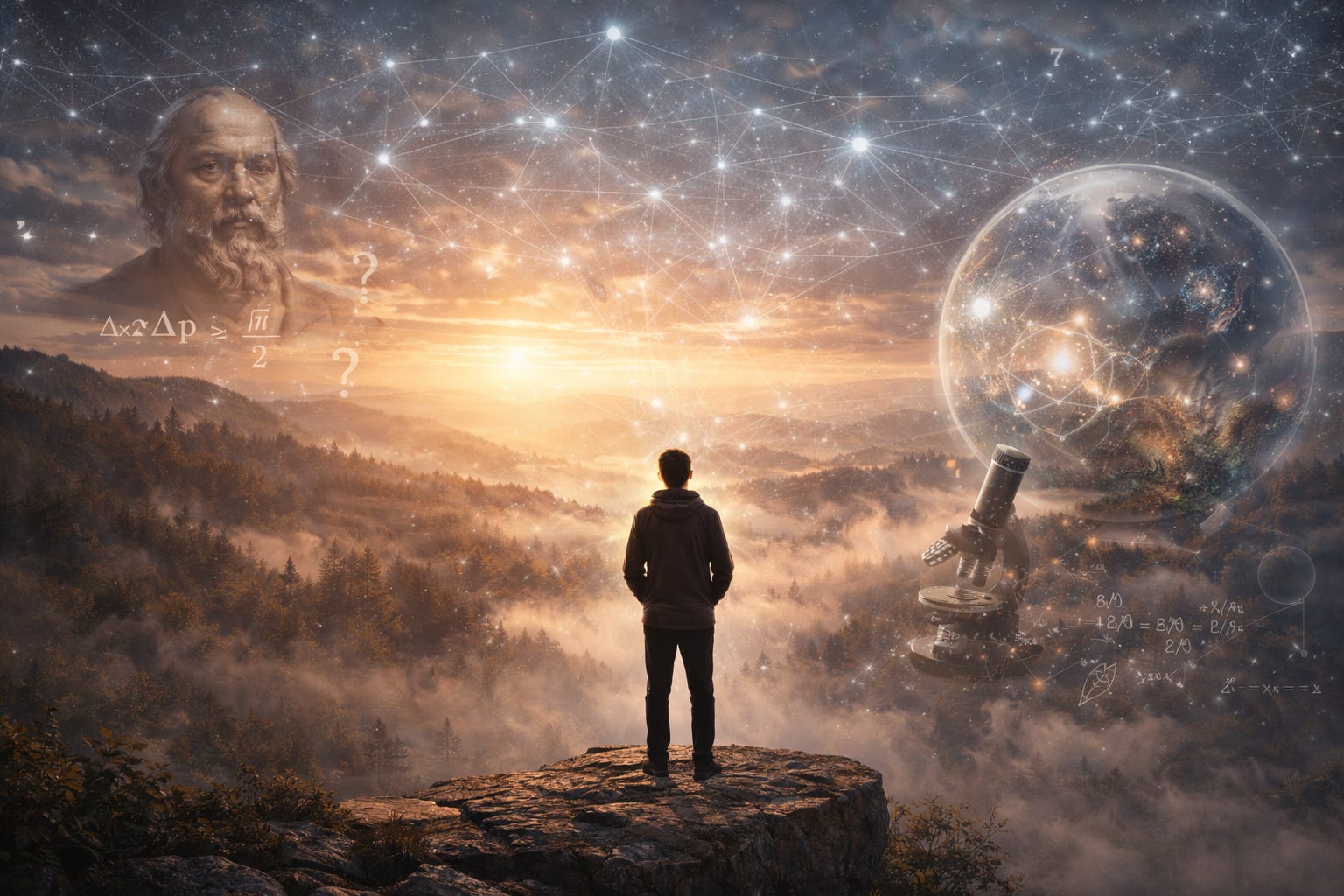 "The only thing I know is that I know nothing." — Socrates (attributed, via Plato)
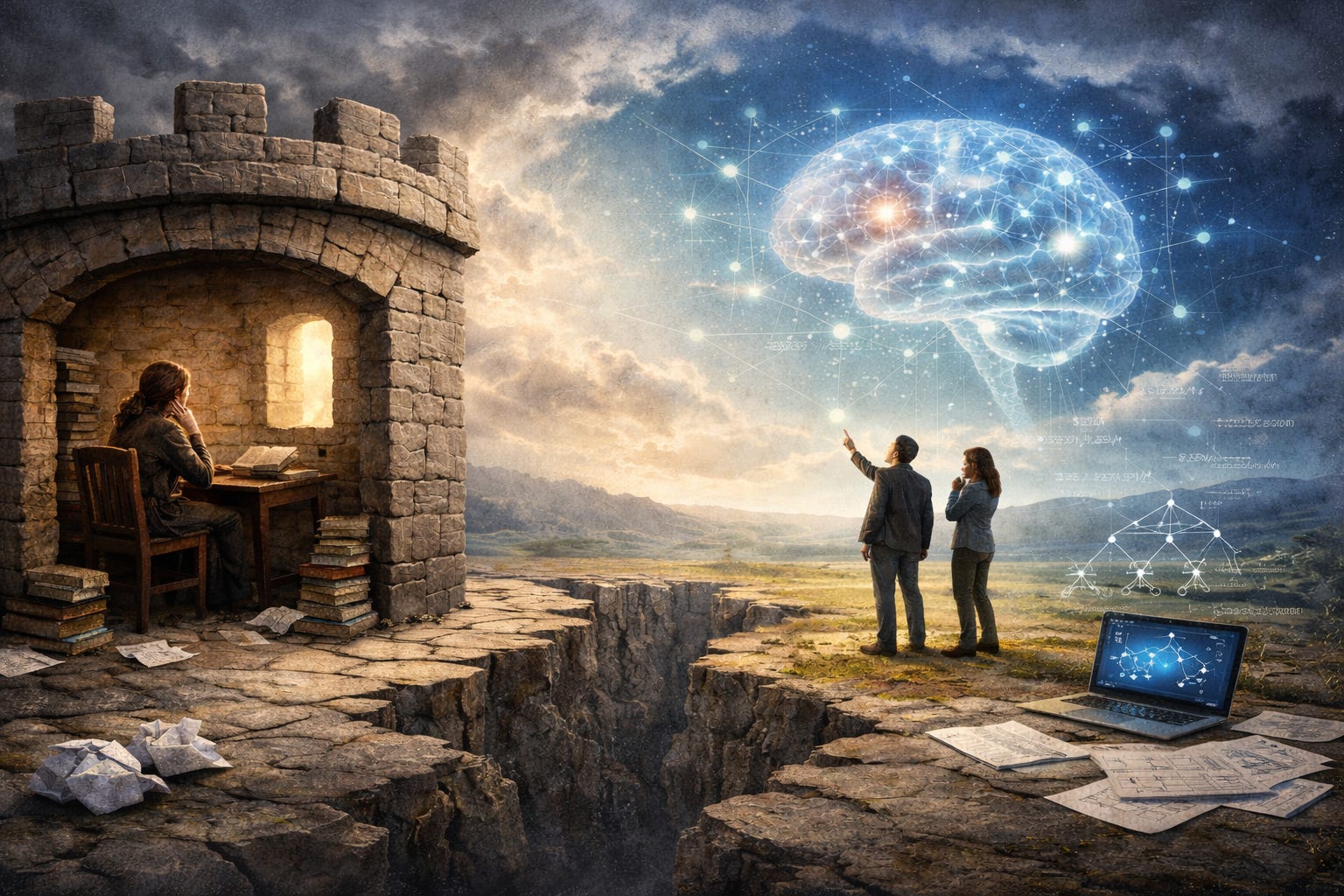 "The search for certainty led philosophers to accept pseudo-solutions rather than sit with the discomfort of not knowing." — Hans Reichenbach
 "Beneath the surface of the protective parts of trauma survivors there exists an undamaged essence." — Bessel van der Kolk
 "A wise man adapts himself to circumstances, as water shapes itself to the vessel that contains it." — Chinese Proverb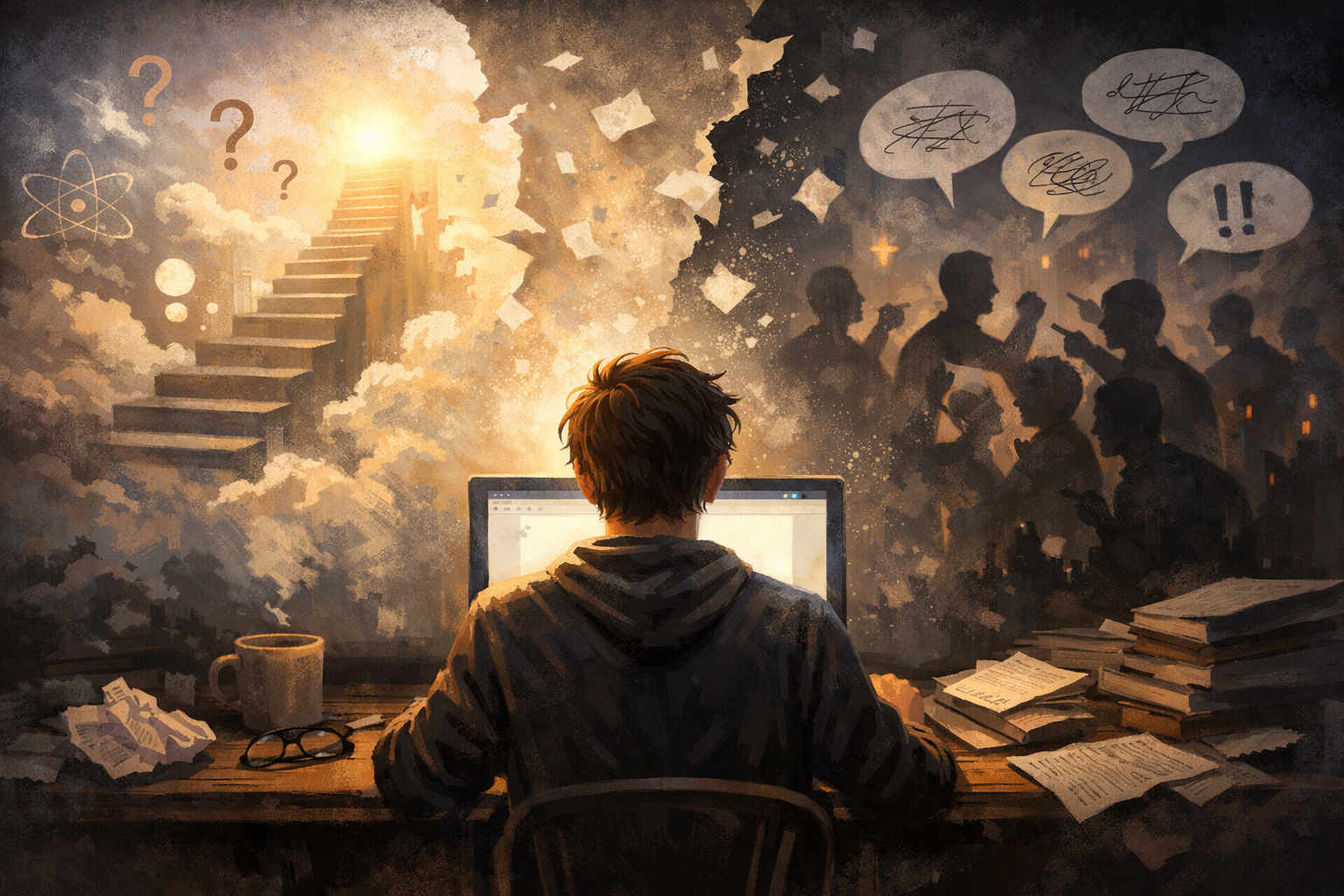
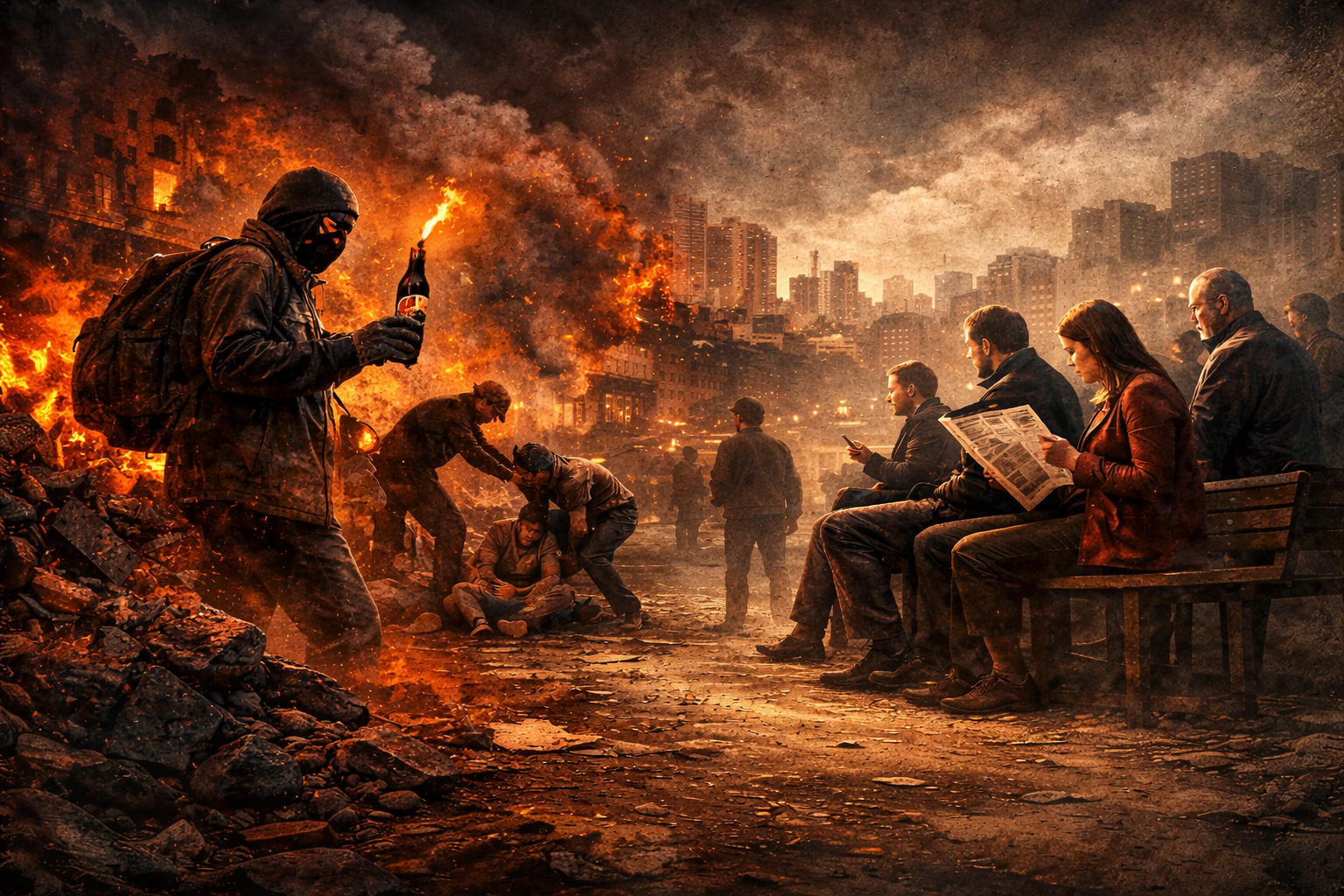 "The world is a dangerous place, Elliott, not because of those who do evil, but because of those who look on and do nothing." — Mr. Robot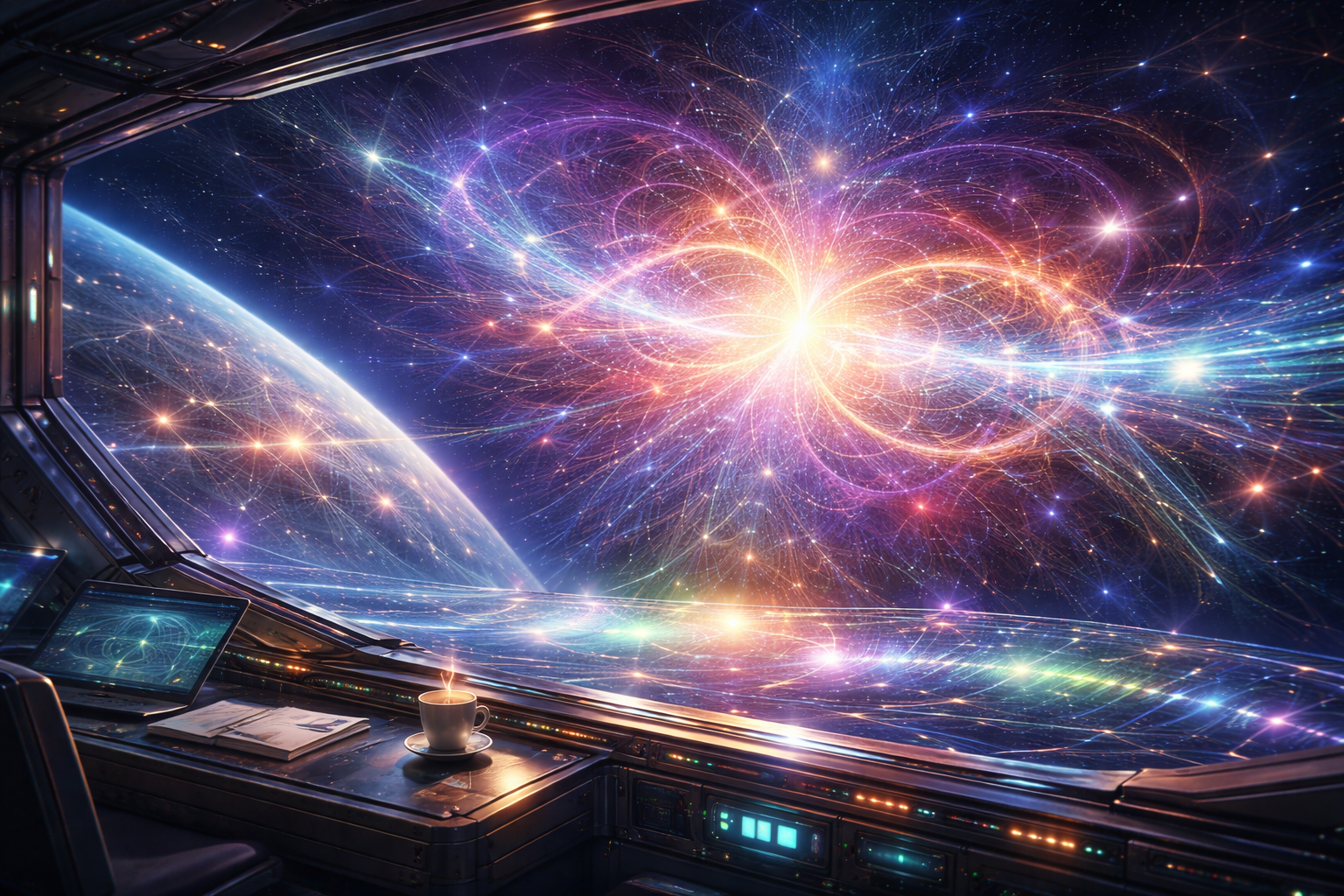
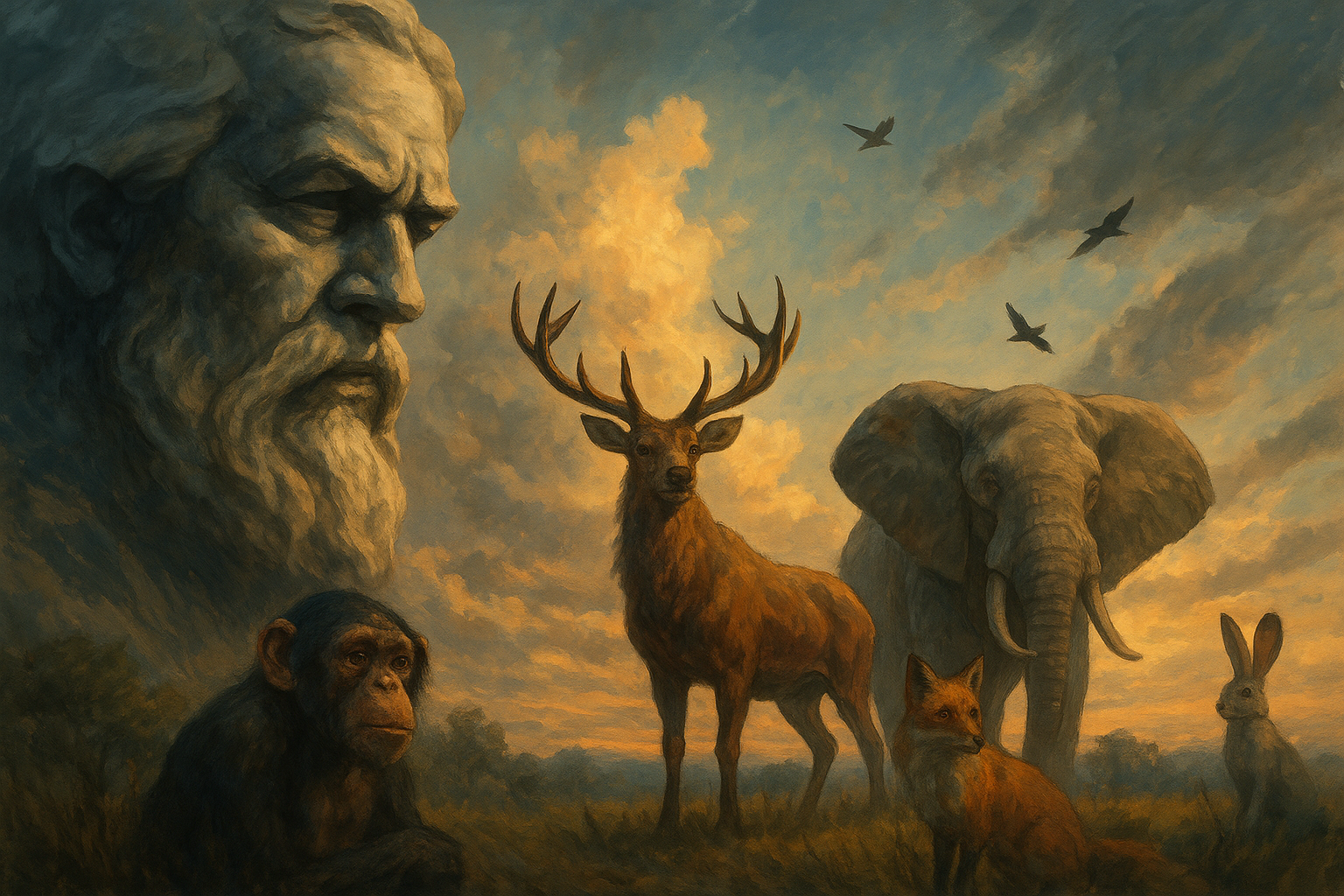 “Human beings are the only creatures on earth that claim a God and the only thing that behaves like it hasn’t got one.” ― Hunter S. Thompson
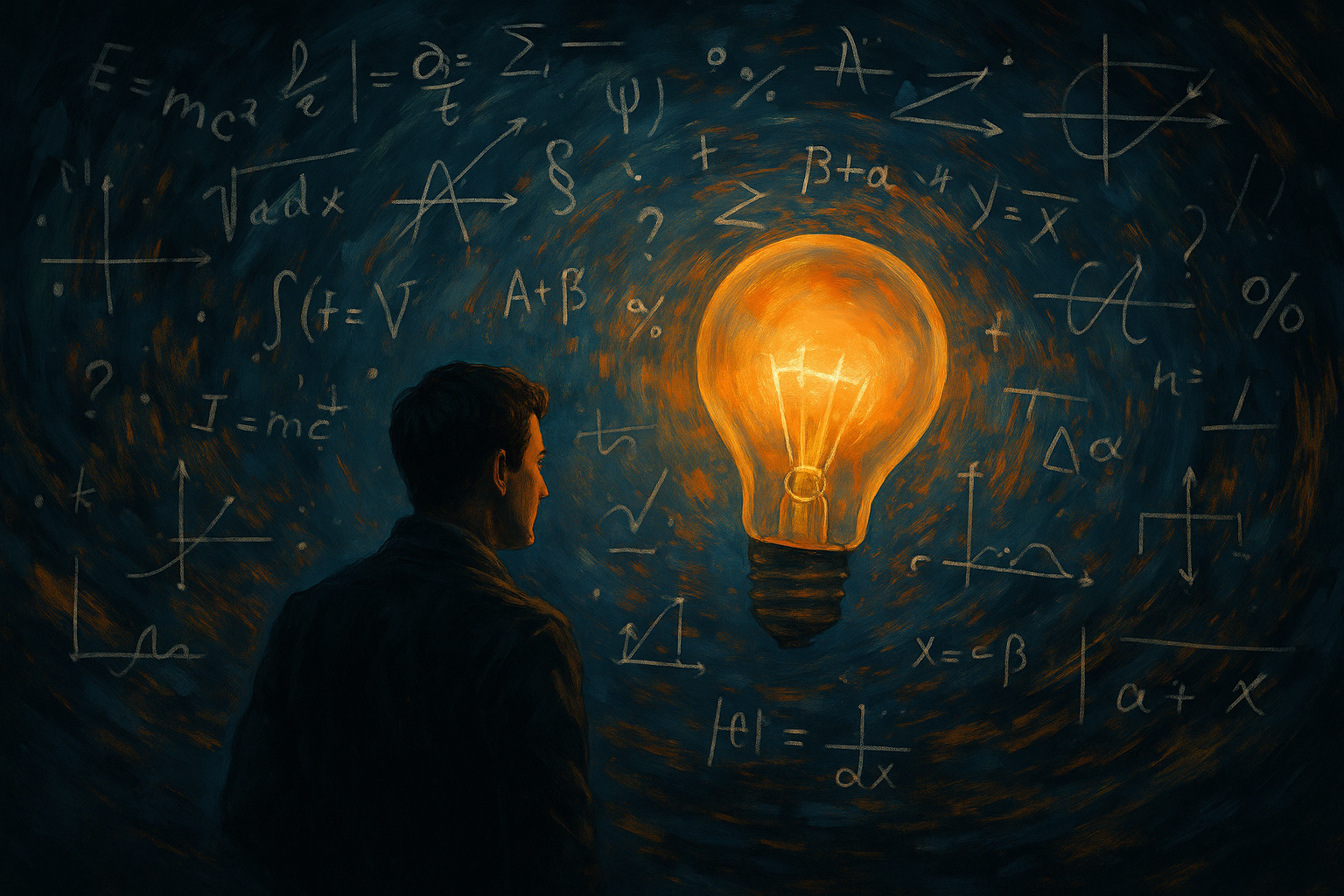 “But I think that ideas are dangerous and powerful things, and that even philosophers have sometimes produced ideas.” ―Karl Popper, Conjectures and Refutations
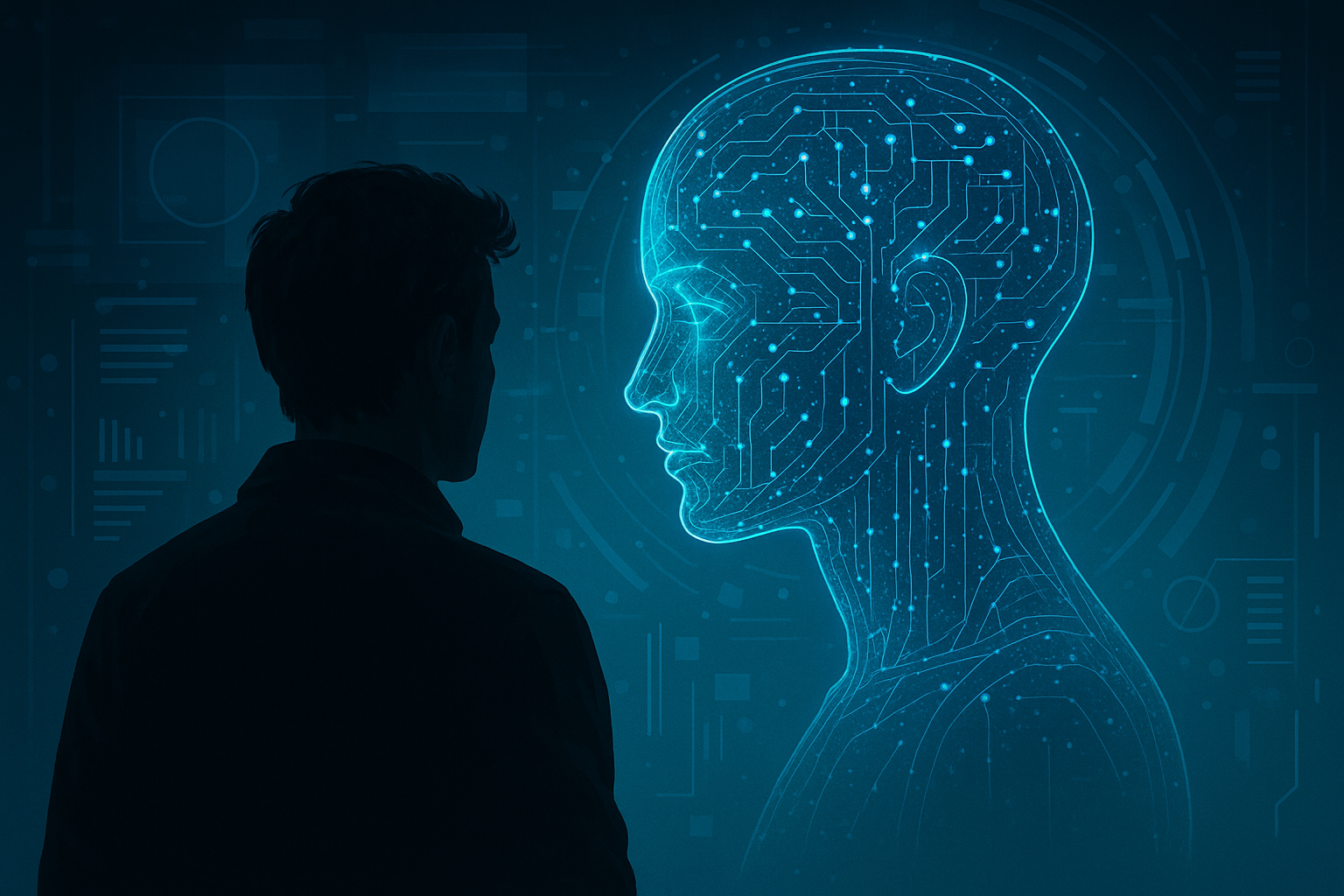 “The true sign of intelligence is not knowledge but imagination.” ― Albert Einstein